




K-Expert Talk at Solutrans 2025: ZEFES Data Drives Industry Consensus on Unlocking Zero-Emission Freight Scale Through Legislative and Infrastructure Alignment
K-Expert Talk at Solutrans 2025: ZEFES Data Drives Industry Consensus on Unlocking Zero-Emission Freight Scale Through Legislative and Infrastructure Alignment
Kässbohrer reaffirmed its deep commitment to advancing practical, scalable decarbonisation in heavy-duty transport by hosting a new edition of its prestigious K-Expert Talk Series at Solutrans 2025.
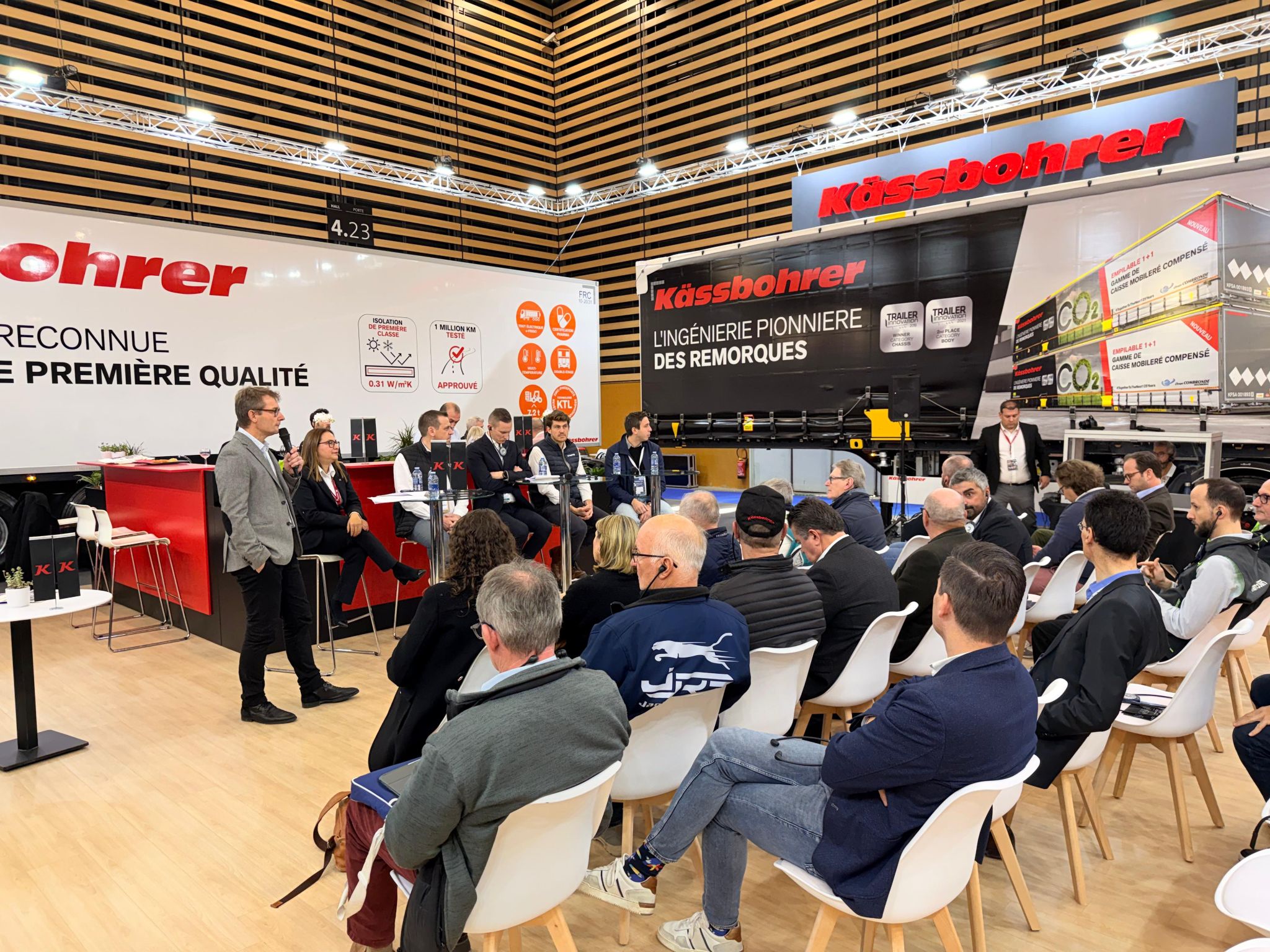
Following successful previous sessions at IAA 2024 and Transport Logistic 2025, this edition continued the crucial joint industry dialogue on how to effectively enable long-range zero-emission freight across Europe.
Held at Kässbohrer’s stand in Eurexpo Lyon, the session convened leading representatives from the transport ecosystem to discuss the essential operational, infrastructure, and regulatory conditions required for wide-scale electrification.
Distinguished Panelists
The discussion was expertly moderated by Laurent Gonnet, representing the EU-funded ZEFES – Zero Emission Freight Ecosystem project. ZEFES is a European funded collaborative project demonstrating zero-emission, flexible vehicle platforms with modular powertrains serving the long-haul freight ecosystem.
The panel featured:
· François Oudot, CEO, BUMP
· Fabien Combronde, President, Groupe Combronde
· İffet Türken, Executive Board Member, Kässbohrer
· Olivier Metzger, Business Director for Alternative Energies, Renault Trucks
· Thomas Gay, Charging Offer Manager, Volvo Trucks
The ZEFES Perspective: Validating Long-Range Zero-Emission Freight in Real Operations
Opening the discussion, the ZEFES project presented significant progress from its large-scale demonstrations of long-range Battery Electric (BEV) and Fuel-Cell (FCEV) trucks currently being executed across major European transport corridors.
The project is now in the critical phase of data generation, where approximately 15–18 vehicles will undertake 6–12-month operational cycles while transporting real freight, such as food and automotive parts. These real-world runs—spanning road, rail, and ferry routes from southern Spain to the Nordic countries—will be providing vital, evidence-based metrics on operational feasibility, energy consumption, charging infrastructure needs, and cross-border permitting challenges for future EU regulation.
Panelists collectively underscored that while current Electric Vehicle (EV) capabilities are advancing toward a 600 km daily operational range, successful large-scale deployment hinges on three non-negotiable pillars: mature charging infrastructure, harmonised regulatory frameworks, and cost-efficient operating conditions.
The OEM Perspective: Operational Parity & Integrated Electrification Support
Representing Renault Trucks, Olivier Metzger emphasized the industry’s critical transition from urban applications to long-range heavy-duty operations. He underlined that achieving operational parity with diesel equivalents depends on both product readiness and comprehensive customer support.
· Strategic Vehicle Guidance: Achieving parity requires full customer engagement, including route analysis, charging strategy development, and fleet adaptation. Metzger noted that determining the correct Energy Storage System (ESS) capacity and matching it precisely with the operational profile is a core part of OEM guidance to minimize unnecessary weight and manage Total Cost of Ownership (TCO).
Representing Volvo Trucks, Thomas Gay reinforced the need to address electrification as a full ecosystem transformation.
· Ecosystem Coordination: Gay highlighted the strategic importance of coordinated work among truck manufacturers, trailer producers, charging partners, and public authorities to provide the reliable depot, on-route, and destination charging infrastructure needed for long-distance operations.
· TCO Management: He stated that maintaining low private depot electricity prices is increasingly decisive in enabling operators to complement their operations with more expensive public fast charging for long-haul missions while keeping overall TCO under control.
· Integrated Solutions: Volvo Trucks is working closely with superstructure and trailer manufacturers to optimize equipment for long-haul electromobility. Gay highlighted established partnerships, including with national grid operator Enedis, enabling Volvo to offer customers a single point of contact covering vehicles, infrastructure, and related services.
The Operator Perspective: Intermodal Integration and Early BEV Deployment
Representing Groupe Combronde, Fabien Combronde shared the company’s crucial first-hand experience integrating Battery Electric Vehicles (BEVs) within regional and intermodal networks. Operating exclusively with 44-tonne combinations, Combronde strategically deploys its electric fleet across local loops, feeding its long-distance rail operations.
· Fleet Viability & TCO: Combronde’s initial 7 BEVs (operational since September 2024) are projected to grow to approximately 50 vehicles over the next two years, representing 7–8% of its total fleet. This robust expansion plan is driven by the unexpectedly favourable operational cost performance, confirming the viability of BEVs for specific duty cycles.
· Workforce Development: Combronde emphasized that consistently positive driver feedback on comfort and ergonomics directly supports workforce development, aiding the attraction of more women and younger drivers.
The Intermodal Efficiency Imperative
Fabien Combronde underlined that intermodal efficiency is contingent upon optimized equipment and terminal capacity.
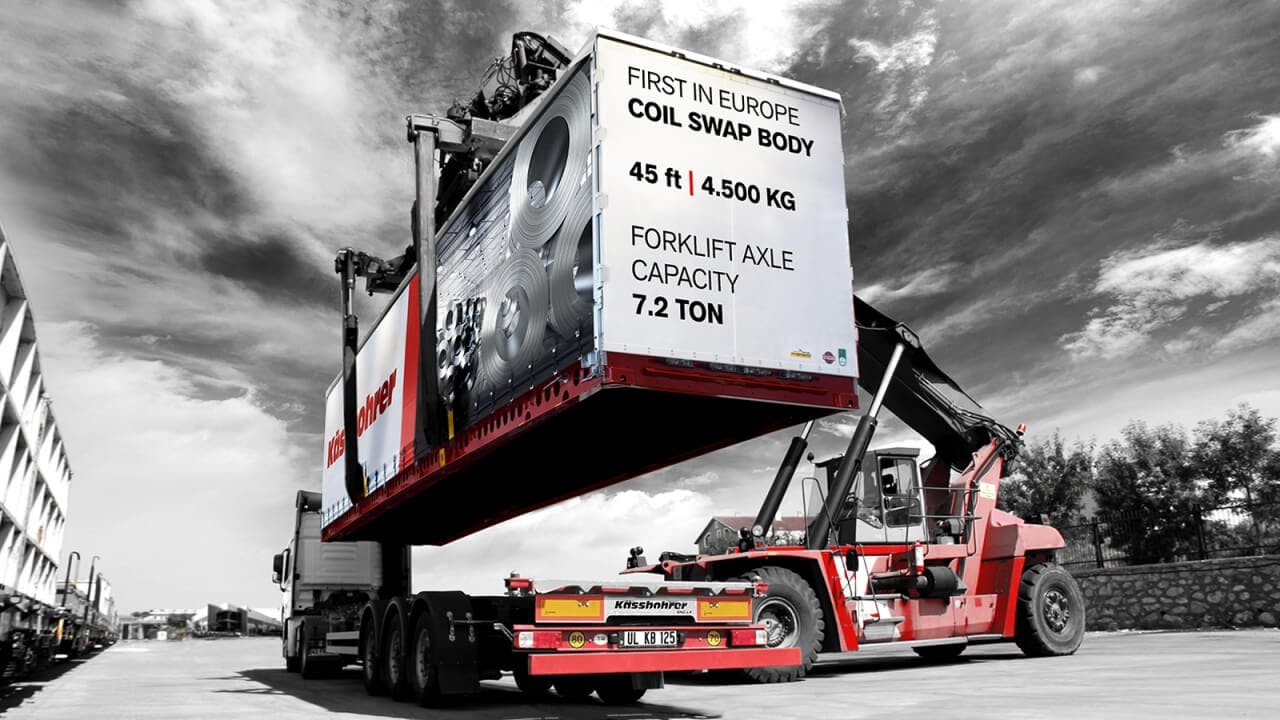
· Equipment Optimization: He referenced collaborative engineering work with Kässbohrer teams on manoeuvrable, lightweight, and terminal-adapted swap bodies. This design focus is critical for improving daily rail-road operations.
· Systemic Benefit: Combronde stressed that optimized swap-body handling directly improves fill rates on rail routes, a key factor in enabling the creation of new combined-transport services and supporting national decarbonisation efforts.
· Infrastructure Constraint: He further underlined that where terminal space is constrained, the utilization of lightweight, highly manoeuvrable swap bodies becomes essential for maintaining safe and fast operational throughput.
The Infrastructure Perspective: Analysing the Charging Triad and TCO
Representing BUMP, François Oudot detailed the three decisive charging environments—or the "Charging Triad"—critical for heavy-duty BEVs: operator depots, public fast-charging networks, and customer/shipper sites.
Cost Dynamics and TCO Management
Oudot noted that while depot charging provides the most stable cost base, public fast charging remains significantly more expensive (cited as 2–3 times higher), creating a direct and challenging impact on the TCO for long-range use cases. Charging at shipper locations introduces complexity in investment responsibility, prompting the development of new financing models.
He underlined that electricity price fluctuations necessitate the use of smart charging protocols and accurate TCO simulation.
· Optimization Potential: Drawing from passenger car electrification experience, Oudot cited large fleet operators managing millions in annual energy expenses (reaching €7 million) where targeted optimization strategies can reduce costs by over €1.5 million. He expects this dynamic of intelligent energy management to be mirrored in heavy-duty transport.
· Decentralized Solutions: Oudot showcased strategic use cases where combining a standard grid connection below 250 kW with an on-site Battery Energy Storage System (BESS) can deliver a more favourable TCO than immediately investing in a costly, high-capacity transformer.
· Future Enabling Tools: Looking ahead, BUMP is preparing to launch a specialized heavy-duty charging card with integrated specific filters for long-haul tractors and rigid trucks, optimizing routing and reducing compatibility risks.
The Kässbohrer Perspective: Driving Holistic System Efficiency and Regulatory Modernization
Representing Kässbohrer, İffet Türken underlined that the transition toward zero-emission freight requires holistic system optimization across the entire logistics chain—a 360-degree zero-emission approach.
Kässbohrer’s core contribution focuses on non-compromised efficiency to maximize the benefit of zero-emission powertrains. This involves:
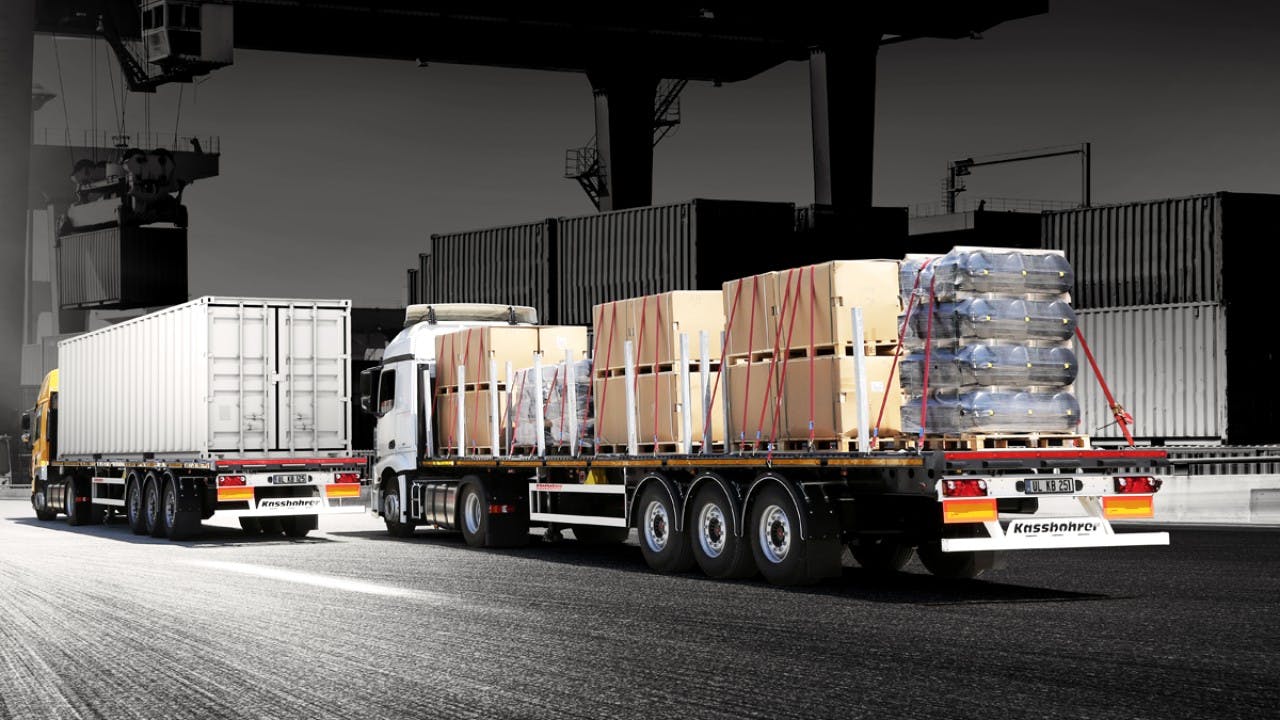
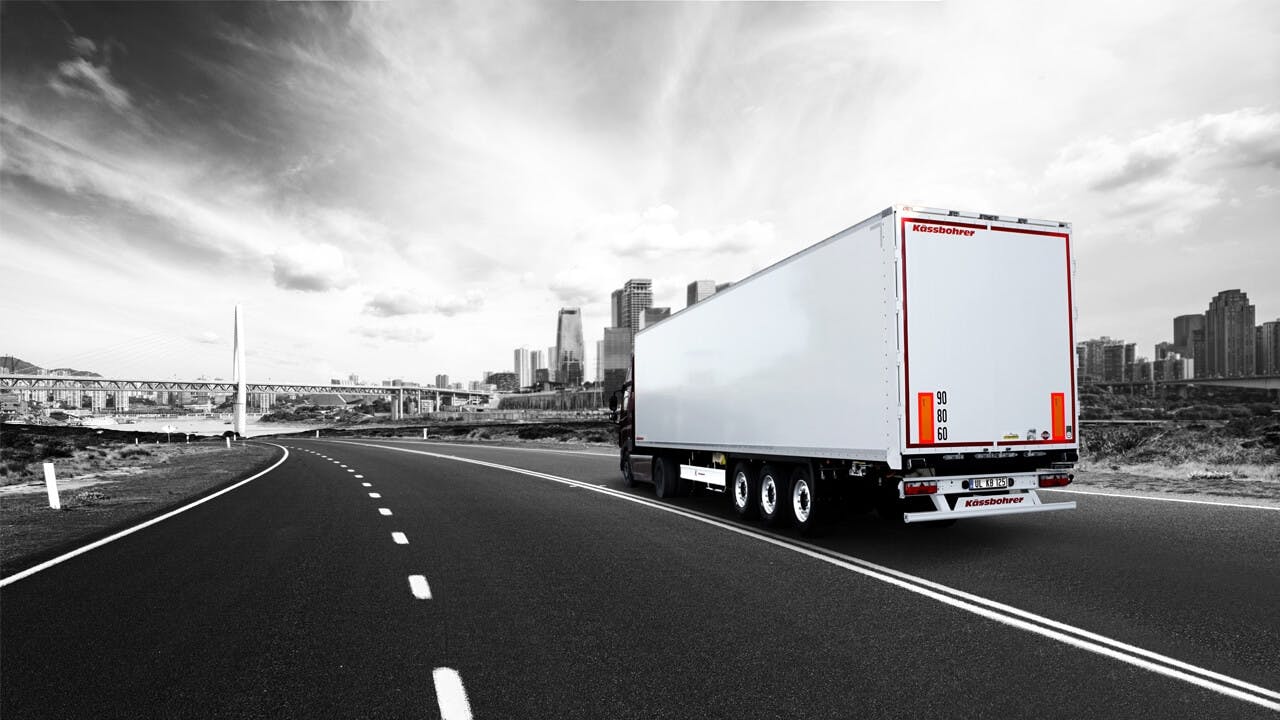
· Lightweight Engineering: Utilizing lightweight semi-trailer construction to mitigate the increased mass of BEV/FCEV tractor units.
· Aerodynamics: Implementing advanced trailer designs to reduce drag and improve overall energy consumption.
· Advanced Concepts: Developing e-trailers and advocating for Longer-Heavier Combinations (LHCs).
· Intermodal Compatibility: Ensuring equipment is optimized (e.g., specialized swap bodies) for seamless integration with multimodal networks.
All these factors contribute directly to reducing emissions per ton-kilometre without compromising payload.
Leveraging ZEFES Deliverables for Legislative Alignment
Türken emphasized that regulatory alignment, particularly within the EU Weights and Dimensions Directive (WDD), is now the most critical enabler for scaling zero-emission solutions. The ZEFES project’s deliverables are the direct mechanism for achieving this legislative alignment.
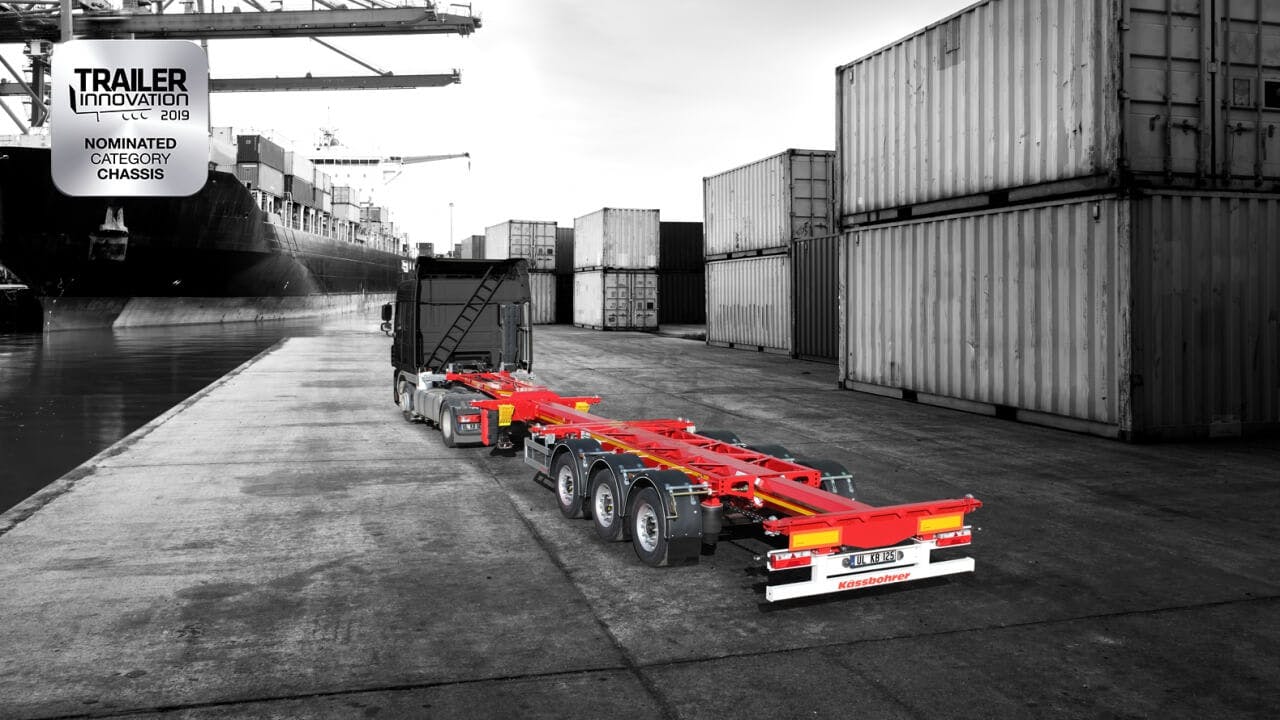
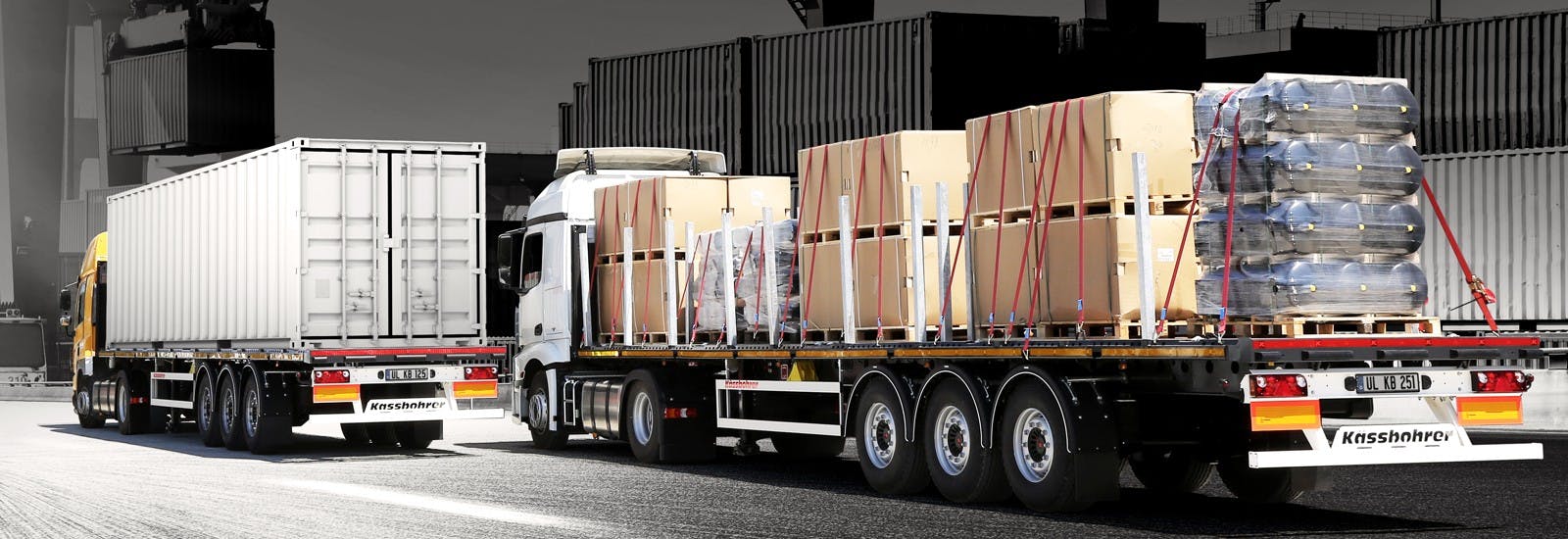
- Empirical Evidence: She referenced the specific vehicle configurations Kässbohrer provides for ZEFES, such as the cross-border electric curtainsider operations and European Modular System (EMS) combinations, including the Kässbohrer 45-ft container chassis. These are all designed to generate critical empirical data on energy consumption and gross combination weight.
- Accelerating Standardization: The real-world metrics derived from the ZEFES demonstrations are essential for driving progress on the revised WDD. The ZEFES data provides the necessary evidence base to define and formalize EMS and zero-emission combinations at an EU level, thereby accelerating standardization and supporting the wider deployment of sustainable logistics across the continent.
Looking Ahead: Continued Collaboration and ZEFES Stakeholder Congress
Closing the session, all panelists achieved consensus: the ultimate successful scaling of long-range zero-emission transport is entirely dependent on sustained, coordinated action across all segments of the transport ecosystem—including OEMs, trailer manufacturers, infrastructure partners, operators, and regulators.
Stakeholders are invited to attend the ZEFES Stakeholder Symposium in Zeebrugge on 25 February 2026, an essential forum where the detailed findings from the next phase of demonstrations, key operational metrics, and the resulting legislative pathways will be presented and discussed.
Through its established K-Expert Talk platform and its active, data-providing participation in ZEFES, Kässbohrer is strategically committed to the advancement of efficient, reliable, and sustainable transport solutions for the next generation of European logistics.